
Start a Project
WhatsApp Appointment Products Engineering Supply Chain
Material Engineering

Plastic Resins for Injection Molding

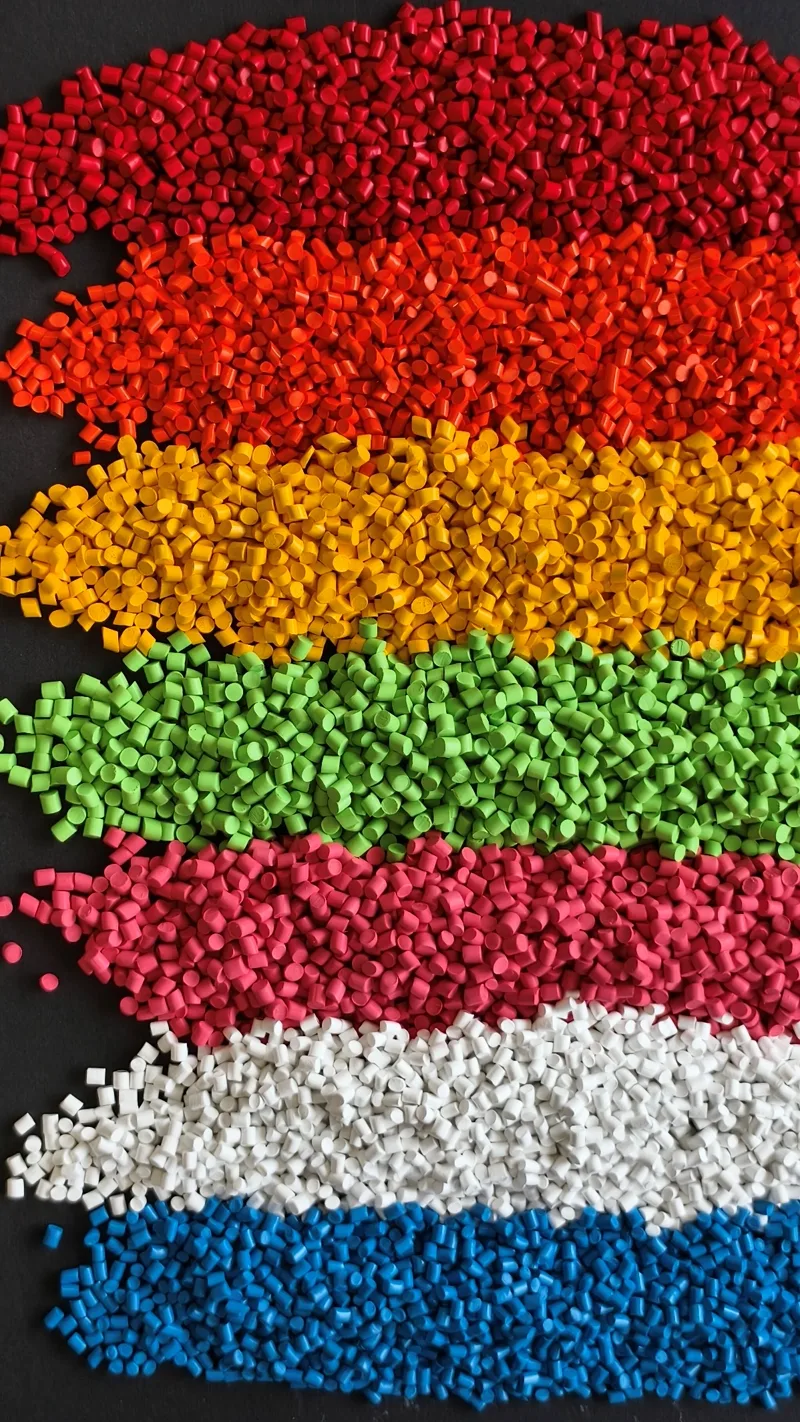
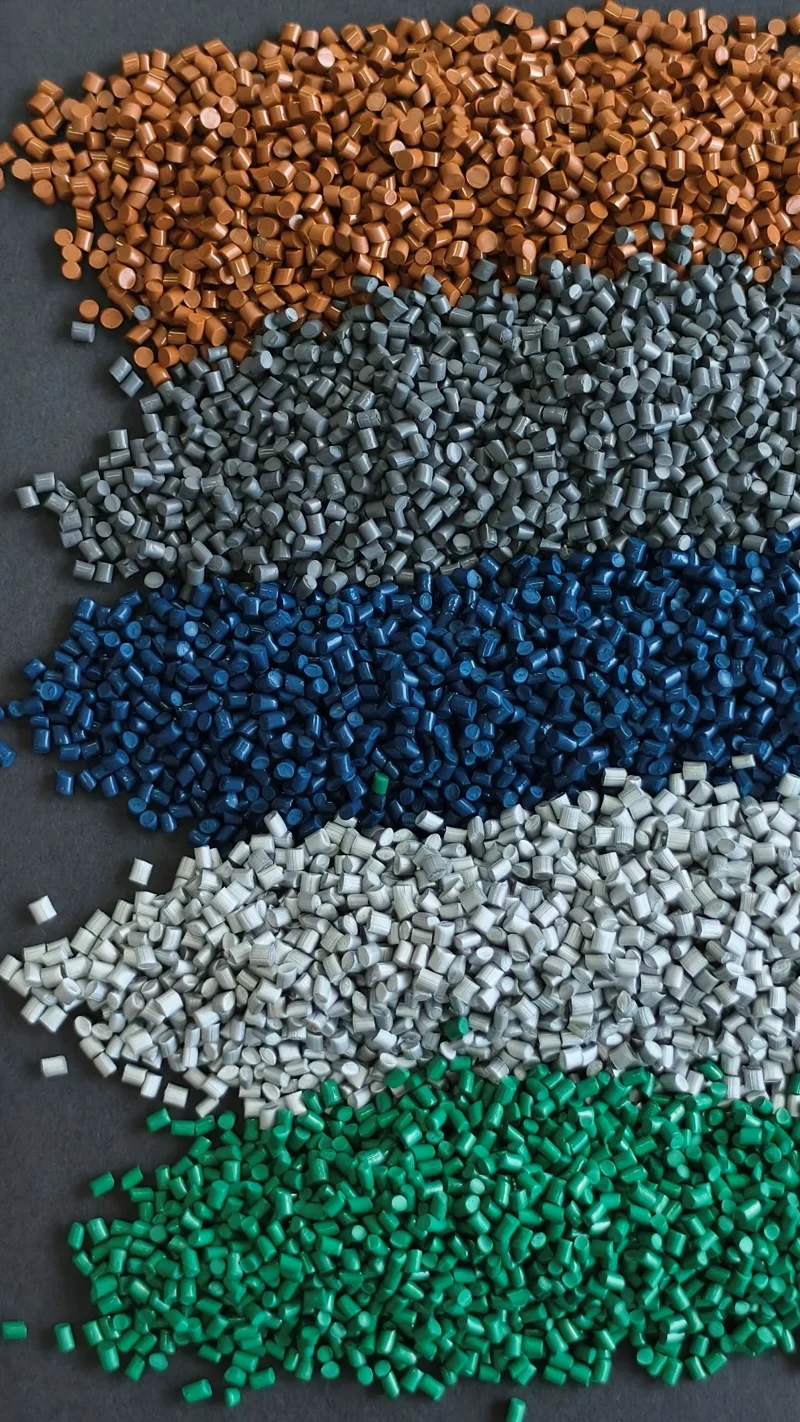
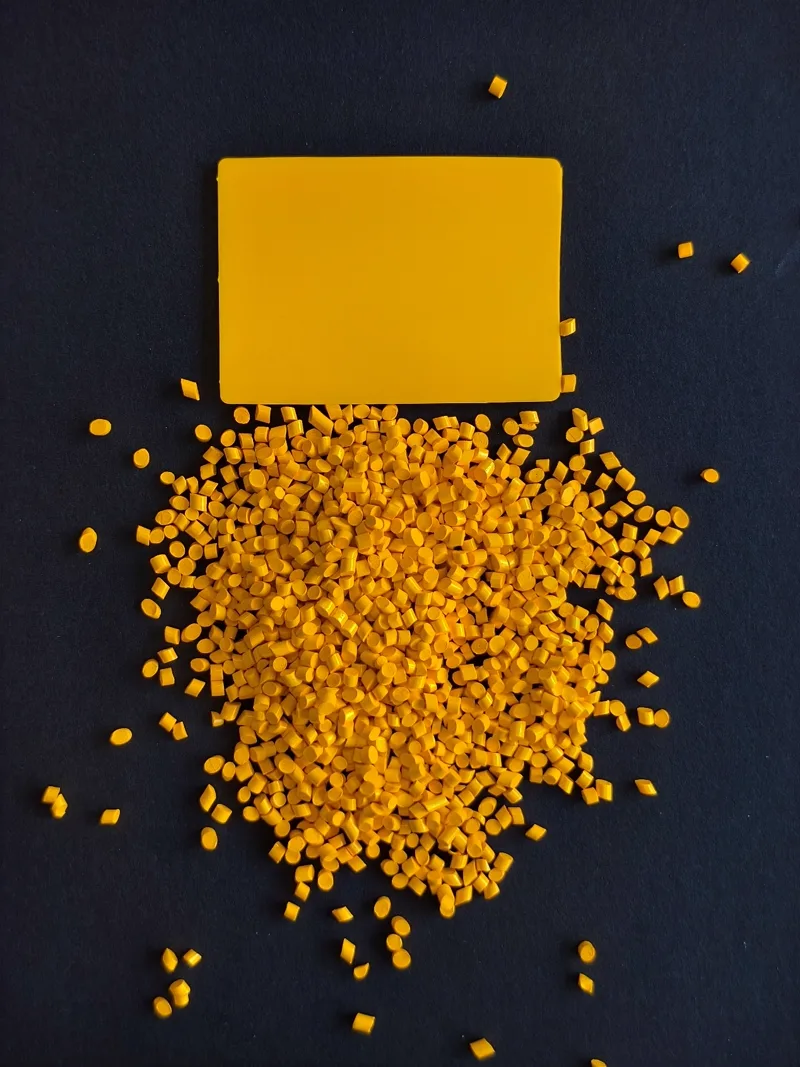
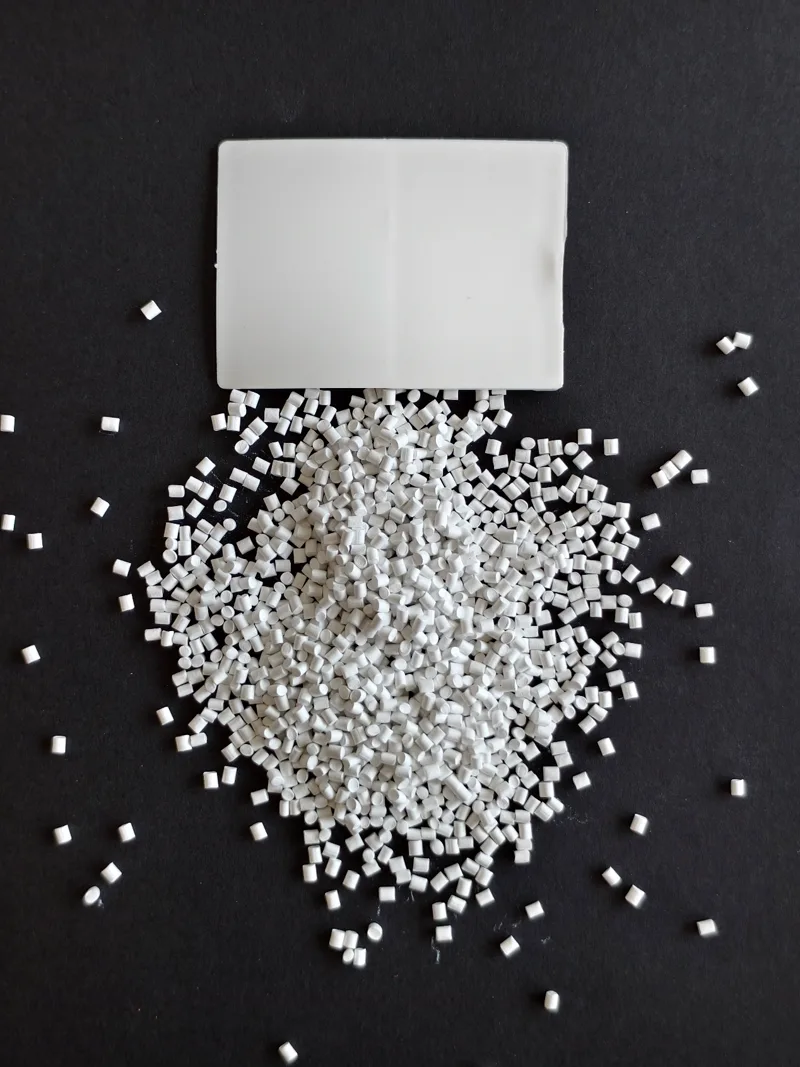
Polymer selection is the core of our Material Engineering discipline — balancing cost, performance, durability and productivity against what a program actually needs to survive. This library documents the 18 primary resins our engineering team specifies across Commodity, Engineering and High-Performance grades, with the shrink behaviour and traits that drive tooling and process decisions.

Shrink rate, engineering traits and application data below are compiled from Elefant MFG's internal resin reference list. The "Elefant MFG Relevance" note on each resin is our own technical summary, connecting the material to the industries and programs we work on.

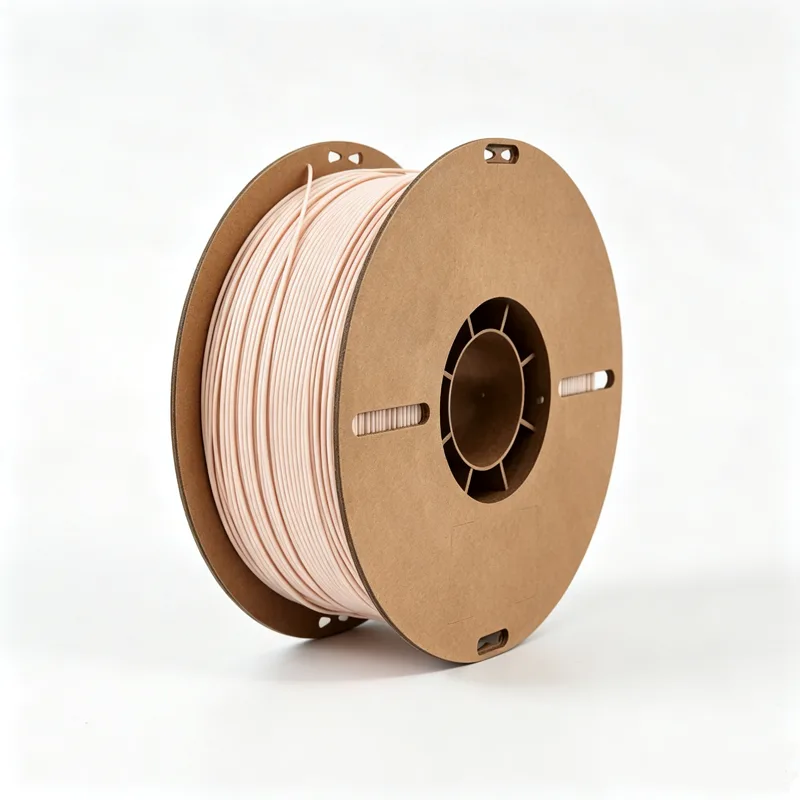
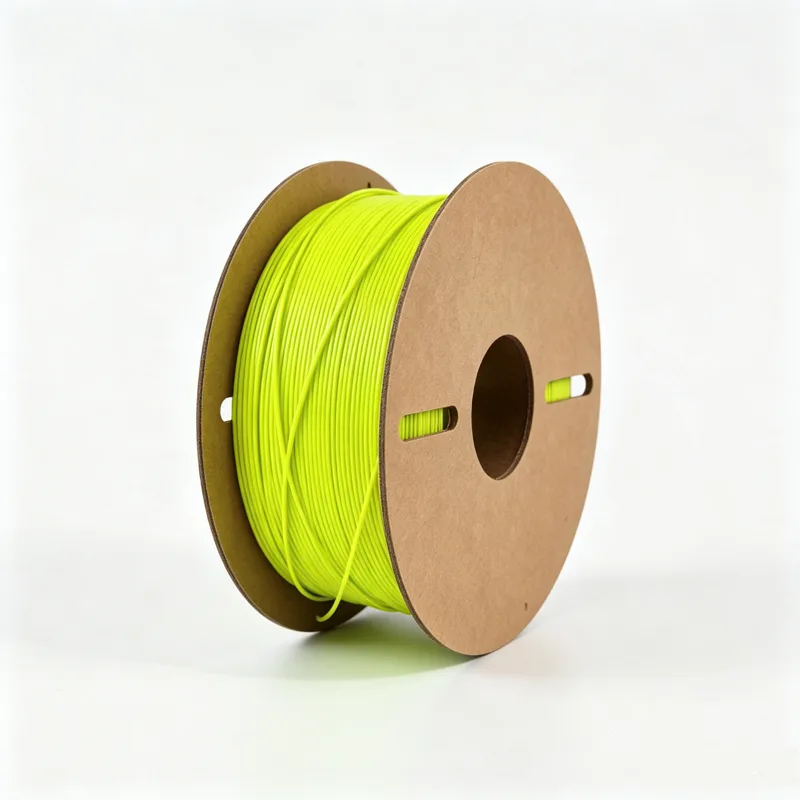
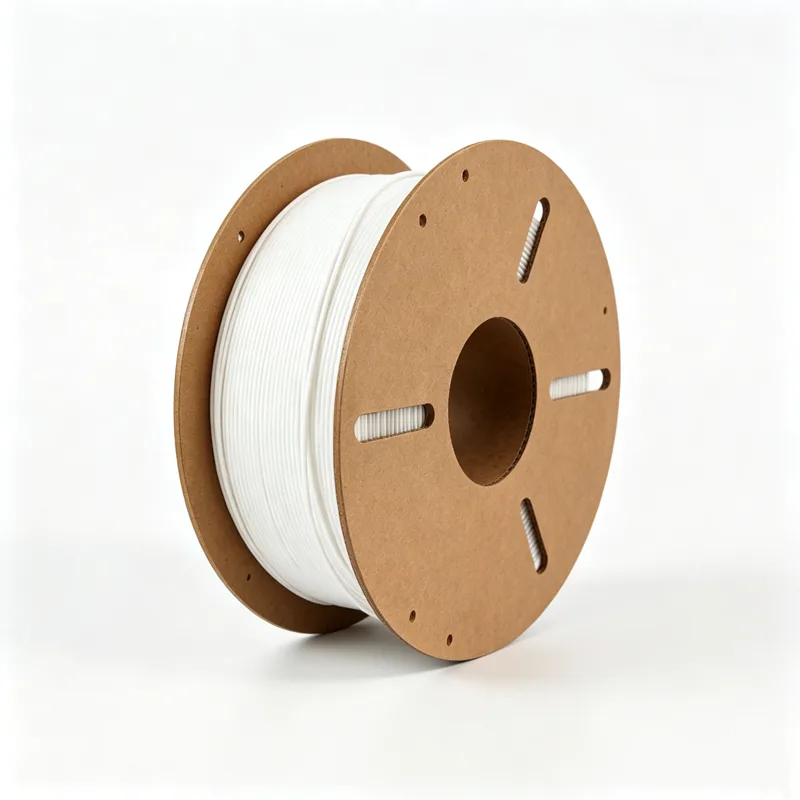
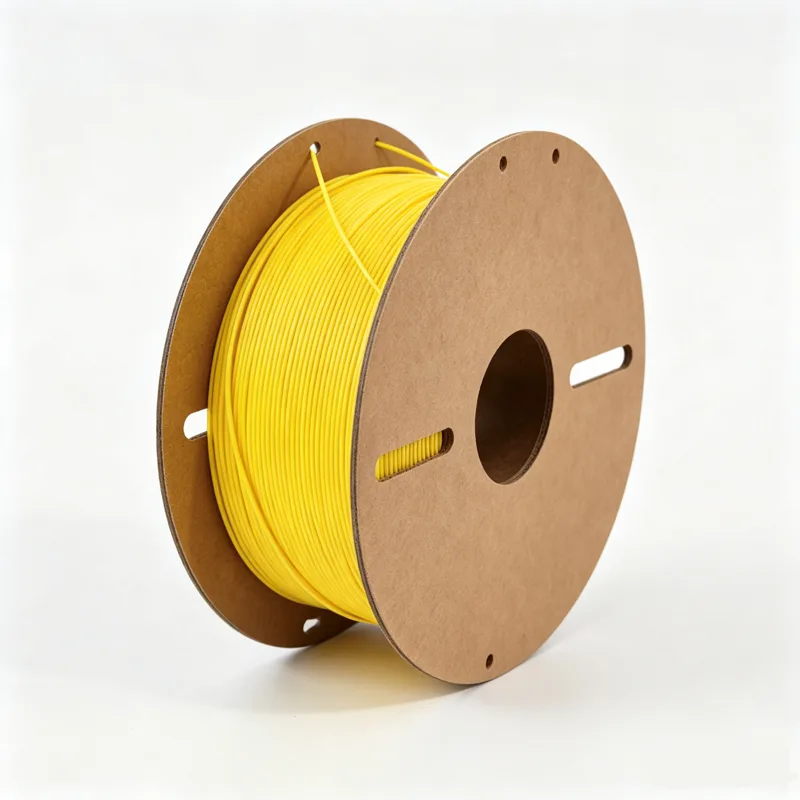
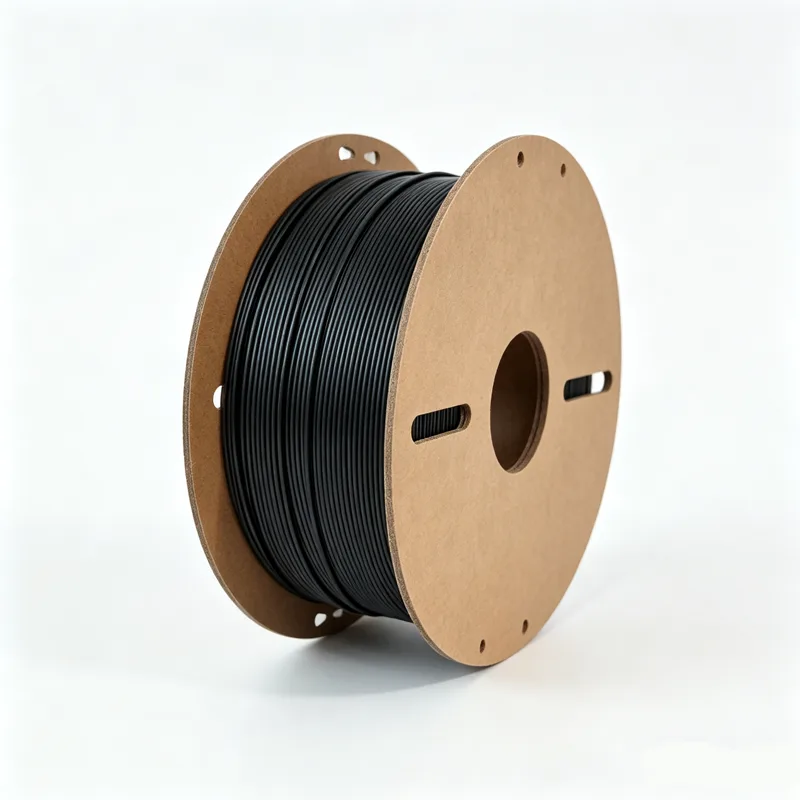
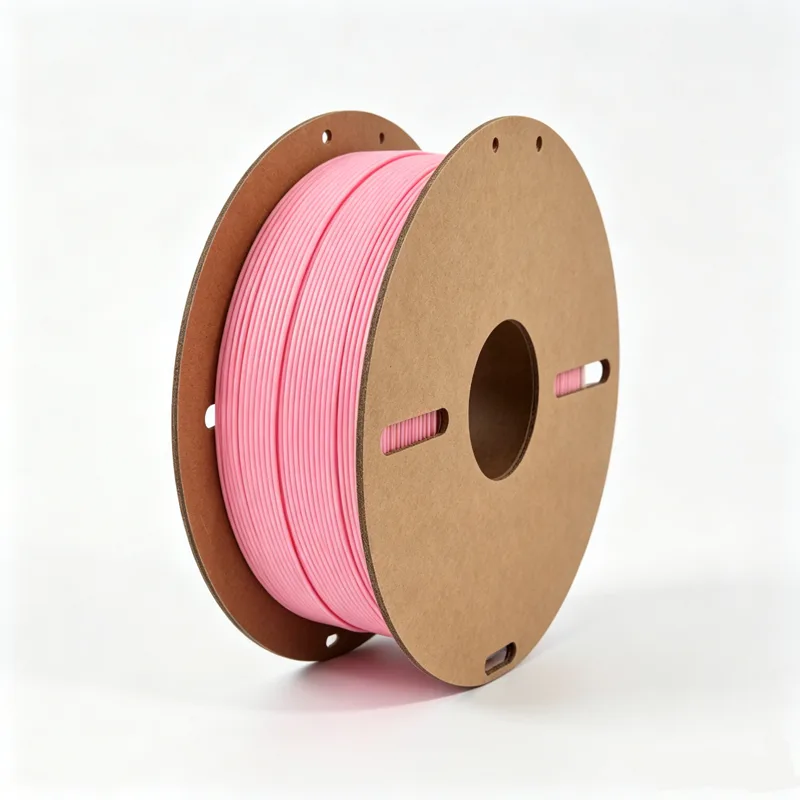
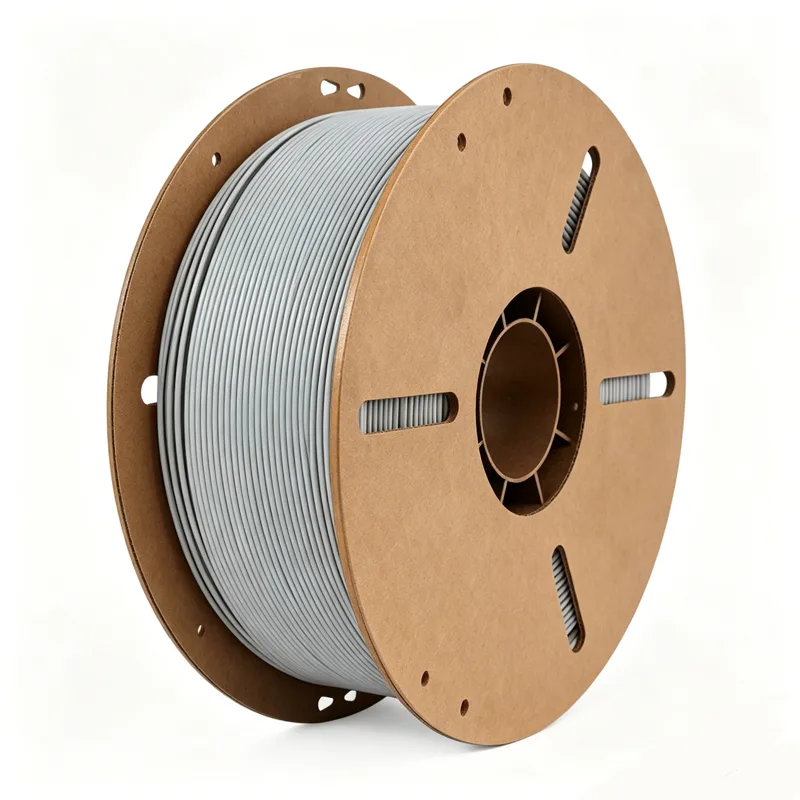
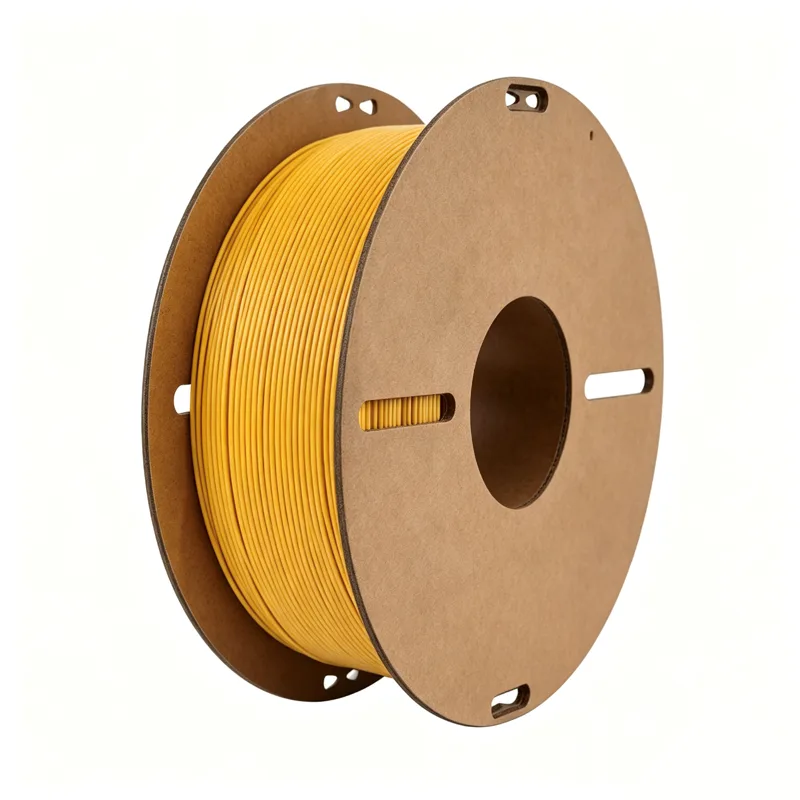
Polymer Materials & Filament for 3D Printing

Beyond the injection-molding resins above, our Material Engineering team also sources and specifies these polymers for 3D-printed prototypes, functional parts and low-volume production.

01
TPU
02
PC, PC/ABS
03
PETG
04
Nylons PA66, PA6, PA612, PA610, PPA
05
Others m-PPO, m-PPE, Co-POM, HDPE
Commodity Resins
PP · Shrink 1.5–2.2%

Polypropylene

Engineering Traits

Unmatched fatigue resistance, high chemical resistance, excellent living-hinge property.

Industrial Applications

Living hinges, bottle caps, automotive fluid reservoirs, containers.

Elefant MFG Relevance

Living-hinge geometry is one of the most common DFM reviews on our consumer-goods and electronics programs — PP's fatigue resistance lets a single-piece hinge survive tens of thousands of flex cycles, which our product engineers validate against real cycle-life targets before tooling is cut.

HDPE · Shrink 1.5–3.0%

High-Density Polyethylene

Engineering Traits

High impact strength, excellent chemical barrier, stiff and durable.

Industrial Applications

Industrial crates, pallets, heavy-duty drums, piping.

Elefant MFG Relevance

HDPE's chemical barrier and impact strength make it a recurring choice for Industrial & Offshore containment and component housings, where our tooling engineering focuses on wall-thickness uniformity to control warpage in thicker-walled parts.

LDPE · Shrink 1.5–3.5%

Low-Density Polyethylene

Engineering Traits

Highly flexible, soft polymer, excellent impact resistance at low temperatures.

Industrial Applications

Snap-on lids, squeeze bottles, flexible tubing.

Elefant MFG Relevance

Where a program needs a flexible snap-fit or squeeze-actuated feature rather than a rigid housing, LDPE is a material option our engineers weigh against TPE/TPU for tactile feel versus cost.

HIPS · Shrink 0.4–0.7%

High Impact Polystyrene

Engineering Traits

Low cost, rigid, easy to mould, modified with rubber for improved impact.

Industrial Applications

Prototypes, food trays, low-stress housings.

Elefant MFG Relevance

HIPS is frequently our first material recommendation for pre-production prototypes and low-stress housing iterations, letting a client validate fit and form before committing to the production-grade resin and tooling.

GPPS · Shrink 0.2–0.6%

General Purpose Polystyrene

Engineering Traits

Crystal clear, rigid, brittle, excellent optical clarity but low impact.

Industrial Applications

Cosmetic containers, medical pipettes, plastic cutlery.

Elefant MFG Relevance

GPPS's optical clarity is a specification point in cosmetic-packaging and medical-disposable programs, where our material engineering balances clarity against brittleness relative to impact-modified alternatives.

PET · Shrink 1.2–2.0%

Polyethylene Terephthalate

Engineering Traits

Excellent moisture and gas barrier, high strength-to-weight ratio.

Industrial Applications

Beverage bottles, thin-walled packaging, consumer goods housings.

Elefant MFG Relevance

PET's strength-to-weight ratio is relevant to thin-walled consumer-electronics housing programs, where our tooling engineers manage the tighter process window PET requires compared to polyolefins.

PVC · Shrink 0.1–0.5%

Polyvinyl Chloride

Engineering Traits

Inherently flame retardant, excellent chemical resistance, available rigid or flexible.

Industrial Applications

Rigid industrial parts, valves, flexible tubing, seals, wire insulation.

Elefant MFG Relevance

PVC's flame retardancy and chemical resistance keep it in consideration for Industrial & Offshore sealing and insulation components, particularly where material selection has to satisfy a specific flame or chemical-exposure rating.

Engineering Resins
ABS · Shrink 0.4–0.7%

Acrylonitrile Butadiene Styrene

Engineering Traits

Exceptional toughness, high gloss, excellent impact resistance, takes electroplating well.

Industrial Applications

Electronics housings, power tool casings, automotive trim, consumer toys.

Elefant MFG Relevance

ABS is the default material-selection starting point for the electronics and power-tool housings across our Consumer Electronics programs — its electroplating compatibility and impact resistance are frequently the deciding factors over PC/ABS blends or straight polycarbonate.

PC · Shrink 0.5–0.7%

Polycarbonate

Engineering Traits

Optically clear glass alternative, extreme structural impact strength, high heat resistance.

Industrial Applications

Safety shields, machine guards, light lenses, medical devices.

Elefant MFG Relevance

Polycarbonate is our material-engineering default whenever a program specifies a machine guard, protective shield or lens — often evaluated head-to-head against PMMA when both optical clarity and impact resistance matter.

PA · Shrink 0.8–1.5%

Nylon / Polyamide

Engineering Traits

Low friction, self-lubricating, high wear and abrasion resistance, hygroscopic.

Industrial Applications

Mechanical gears, bearings, bushings, engine covers, power tool grips.

Elefant MFG Relevance

Nylon's self-lubricating, low-friction properties make it a recurring choice for the custom gears and mechanical components in our Industrial & Offshore programs — our tooling engineers also account for its hygroscopic moisture uptake, which affects both process control and long-term dimensional stability.

POM · Shrink 1.8–2.5%

Acetal / Polyoxymethylene

Engineering Traits

Extreme stiffness, high dimensional stability, low friction, resistance to creep.

Industrial Applications

Precision gears, slide rails, fuel systems, fasteners.

Elefant MFG Relevance

POM's dimensional stability and creep resistance make it the material of choice where a precision gear or slide-rail tolerance can't drift over the product's service life — a common requirement on our power-tool and automotive electromechanical programs.

PBT · Shrink 1.5–2.2%

Polybutylene Terephthalate

Engineering Traits

Elite electrical insulation properties, high chemical resistance, stiff and dimensionally stable.

Industrial Applications

Electrical switches, connectors, automotive electronic components.

Elefant MFG Relevance

PBT's electrical insulation properties make it a standard choice for the connector and switch components inside the automotive electromechanical assemblies we support with DFM and tooling.

PMMA · Shrink 0.2–0.6%

Acrylic

Engineering Traits

Highly scratch resistant, brilliant light transmission, exceptional UV weather stability.

Industrial Applications

Light pipes, display screens, optical lenses, automotive light covers.

Elefant MFG Relevance

PMMA's light transmission is a specification variable in light-pipe and lens-cover components across our Consumer Electronics and Automotive programs, weighed against polycarbonate when impact resistance is the higher priority.

SAN · Shrink 0.2–0.6%

Styrene Acrylonitrile

Engineering Traits

Rigid, transparent, structurally tougher and more chemical resistant than polystyrene.

Industrial Applications

Water filter housings, kitchenware, refrigerator shelves.

Elefant MFG Relevance

SAN's added chemical resistance over polystyrene matters when a housing program needs transparency plus resistance to household chemicals or oils — a trade-off our engineers evaluate against GPPS and PC.

High-Performance Resins
PEEK · Shrink 1.0–1.5%

Polyether Ether Ketone

Engineering Traits

Metal-replacement polymer, extreme thermal, chemical and mechanical strength.

Industrial Applications

Aircraft components, aerospace manifolds, medical implants, semiconductor parts.

Elefant MFG Relevance

PEEK sits at the top of our material-selection range for programs where metal-to-plastic replacement has to survive extreme thermal and mechanical loads — the same lightweighting trade-off referenced against aluminium-scandium alloys in our Rare Earth & Critical Materials library, applied to a polymer instead of a metal.

PEI · Shrink 0.5–0.7%

Ultem / Polyetherimide

Engineering Traits

High dielectric strength, continuous high-heat resistance, inherently flame resistant.

Industrial Applications

Circuit boards, internal aerospace components, medical autoclaved devices.

Elefant MFG Relevance

PEI's dielectric strength and continuous heat resistance make it a candidate whenever a client's electronic housing or component has to survive repeated high-temperature sterilisation or sustained electrical load beyond what standard engineering resins can take.

PPS · Shrink 0.2–0.5%

Polyphenylene Sulfide

Engineering Traits

Superior dimensional stability under intense heat and aggressive chemical washdowns.

Industrial Applications

Fluid pumps, automotive sensors, fuel system components, industrial valves.

Elefant MFG Relevance

PPS's dimensional stability under heat and chemical washdown is a recurring specification for the automotive sensor and fuel-system components in our Automotive programs, where dimensional drift under thermal cycling is the failure mode our tooling engineers design against.

TPE/TPU · Shrink 0.5–2.5%

Thermoplastic Elastomers

Engineering Traits

Rubbery flexibility, complete elastic recovery, soft-touch tactile feel.

Industrial Applications

Overmoulded soft tool grips, gaskets, seals, flexible phone cases.

Elefant MFG Relevance

TPE/TPU overmoulding is a common process-engineering decision on our power-tool and consumer-electronics programs — pairing a rigid engineering-resin shell with a soft-touch TPE grip requires our process engineers to validate bond compatibility between the two materials during tooling design, not just the tactile spec.

Material Selection

Not sure which resin fits your program?

Our Material Engineering review weighs shrink behaviour, tooling cost and process window alongside part performance — before a single cavity is cut.

Discuss Your Material Selection